

A free and open-source operating system kernel that forms the core of complete operating systems known as Linux distributions.
Originally created by Linus Torvalds in 1991, Linux is Unix-like in design and is responsible for managing fundamental system functions such as process scheduling, memory management, hardware devices, file systems, and networking. The Linux kernel on its own is not a complete operating system; it is combined with system libraries, command-line tools, package managers, and optional graphical desktop environments, most commonly from the GNU Project, to create fully usable systems called Linux distributions.
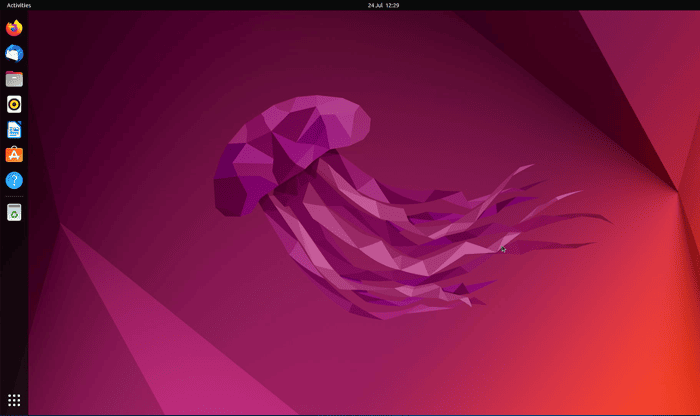
A Linux distribution (distro) is a packaged version of Linux that includes the kernel along with supporting software tailored for specific users or purposes. Examples include Ubuntu and Linux Mint (desktop and beginner-friendly), Debian and Fedora (general-purpose and development-focused), Arch Linux (minimal and highly customizable), and Red Hat Enterprise Linux (RHEL) and AlmaLinux (enterprise and server environments). Each distribution differs in release model, package management, default software, and target audience.
Linux supports multi-user and multitasking operation, enforces a robust permissions and ownership model, and is renowned for its security, stability, and performance. Because it is open source, Linux can be freely modified and redistributed, making it suitable for desktops, servers, cloud platforms, supercomputers, embedded systems, and mobile devices (such as Android).